Educational Pathways in Era Pickleball pickleball classes
The world of pickleball has matured into a structured ecosystem of classes, coaches, and training programs. For players who want to climb from casual weekend rallies to meaningfully improved technique, the Era Pickleball pickleball classes offer a deliberate path. This article isn’t about quick fixes or flashy drill reels. It’s a practical guide grounded in real experience, the kind of insights that come from watching learners stumble, adjust, and eventually own a game small adjustments at a time. If you’re thinking about where to begin, how to ascend, and what to demand from a program, you’ll find a realistic map here. The emphasis is on education as a process, not a single moment of inspiration.
The first realization many players reach is that pickleball is a game of choice as much as it is a game of shotmaking. Your success in practice translates into patterns on the court. In Era Pickleball classes, the approach is to teach not only technique but also how to observe. Players learn to watch themselves in real time, to notice when their weight shifts, when the paddle angle becomes a touch too open, or when footwork carries them off balance for a key moment in a rally. It sounds obvious, but the truth is most players miss small cues during a match, and those cues are the difference between a successful wipe and a misfired drive that costs the point.
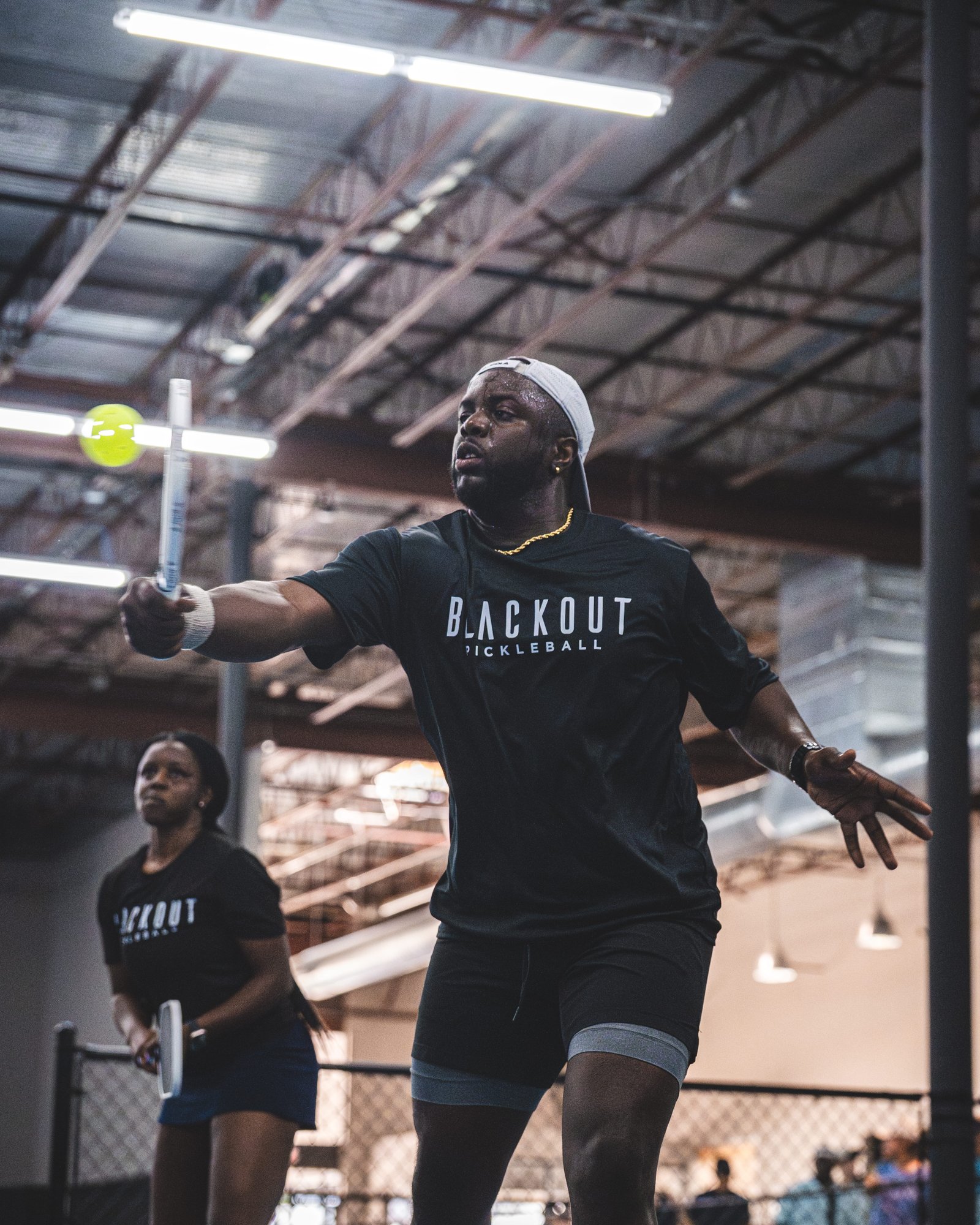
A useful way to picture the learning arc is to imagine the court as a classroom where every movement has a purpose. The service stance, the quick pivot to the ready position, the transition from baseline to kitchen—each micro-movement is a piece of a larger system. Era Pickleball pickleball classes do not treat these as isolated drills. They frame them as components of a coherent game plan, a DNA of play that you can recognize, reproduce, and adjust. The pedagogy relies on a mix of direct instruction, deliberate practice, and reflective feedback. This blend is powerful because it helps players translate what they see in a demonstration into what they can do in their own bodies.
While the content of any class ultimately depends on the level and the coach, several common threads appear across the Era Pickleball program. The aim is not merely to execute a shot; it is to cultivate insight into why a shot works in a given situation. The best instructors eschew rote repetition in favor of purposeful repetition. They design sequences that couple technique with decision-making, so students learn to pick the right response under pressure rather than simply replicating a perfect form in isolation. In practice, this means you will spend time on the fundamentals, then progressively layer in tactical awareness, then test your growth under pressure with live drills that approximate match conditions.
The path from a beginner to a confident intermediate player usually unfolds in several distinct phases. Some players move quickly through the early steps; others linger longer to build a solid base. Both trajectories are valid as long as there is a clear intention behind each practice session. The practical reality is that progress rarely follows a straight line. You will experience plateaus, momentary regressions, and surprising breakthroughs that come after weeks of stubborn effort. The structure of Era Pickleball pickleball classes recognizes this variability and respects the need for a flexible learning plan.
Beginner groundwork often centers on control and consistency. A student learns to keep the rally alive, to place serves with reliability, and to read the bounce off all types of surfaces. The instructor emphasizes footwork patterns that promote balance, such as the low center of gravity needed for a solid dink, or the quick shuffle to cover the third shot as the opponent responds. Beginners learn to categorize shots, distinguishing drives, drops, lobs, and dinks, then to choose the appropriate option with an eye toward setting up a favorable rally position rather than merely winning a point. This stage settles a lot of the anxiety beginners feel about making errors, replacing fear with a method for managing risk on the court.
As players advance, the emphasis shifts toward pattern recognition and shot selection. The pace increases, and the complexity of the drills rises in a way that keeps players engaged without overwhelming them. A common mid-level focus is neutralizing a strong serve and turning defense into offense with a well-timed transition. Players learn to manipulate the opposing side of the court by shaping the ball’s trajectory, using spin judiciously, and applying pressure through predictable sequences. The educator’s job at this stage is to help students notice cues from their opponents—things like stance, paddle angle, and habitual response patterns—and to react with purpose, not fear. It’s about building a navigable toolkit rather than memorizing a single winning combo.
Advanced learners in Era Pickleball pickleball classes begin to treat the game as a dynamic system in which every decision cascades into later outcomes. Here the focus is on speed of decision-making, accuracy under pressure, and the ability to adapt to diverse opponents. The coaching often includes lab-style drills, where players break into small groups to test hypotheses about technique and strategy. Coaches guide analysis with video feedback, enabling students to compare their on-court movements to the ideal model and to spot small but consequential misalignments. In this phase, refinement is less about mastering a new shot and more about combining known shots into seamless, responsive sequences that respond to the flow of a rally.
One of the underappreciated aspects of educational pathways in pickleball is the mental edge that good coaching provides. A class that teaches you to stay calm when a rally collapses or when a sudden wind shift complicates a shot is teaching resilience as much as it is teaching a serve. Players who learn to treat mistakes as information rather than as proof of limitation tend to improve faster. The Era Pickleball approach often includes quick debriefs after drills, with prompts that invite players to articulate what happened, why it happened, and how they would adjust next time. This habit translates into better court awareness and more deliberate practice outside of class hours.
Another practical dimension of these programs is scheduling and pace. For working professionals, families, or students with cramped calendars, a predictable cadence matters a great deal. Era Pickleball pickleball classes typically offer a mix of weekly sessions, weekend clinics, and occasional intensive workshops that run for a few hours. The structure is designed to accommodate different levels of commitment while preserving continuity. The best programs make it easy to progress without burning out, providing clear milestones that mark progress without compelling you to chase a moving target.
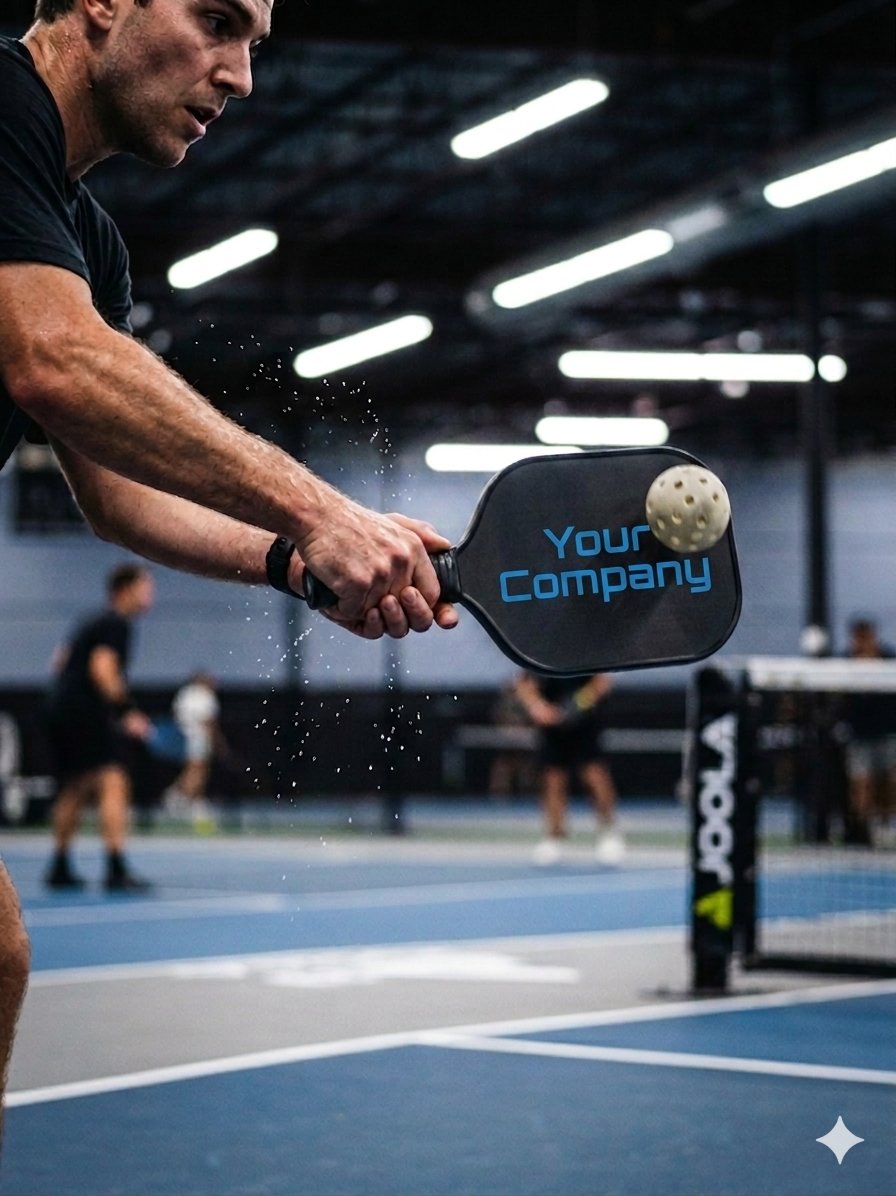
Selecting the right class starts with an honest assessment of your current level and your goals. If you are a brand-new player, your aim should be to build fundamentals that survive the inevitable moments of pressure in a match. If you already have some experience, indoor pickleball courts your goal might be to refine a particular aspect of your game, such as your net play or your ability to defend deep serves. The Era Pickleball pickleball classes are designed to accommodate both ends of the spectrum by offering tiered tracks within a single program. The structure is familiar enough to feel navigable, yet flexible enough to allow genuine specialization in areas where you want to invest your effort.
Choosing a coach is a decisive step. A good coach is not someone who simply demonstrates impressive technique but someone who helps you articulate what you are trying to do and why. The best educators invite you to describe your intended trajectory before they begin designing a plan. They listen for the gaps in your understanding, not just the gaps in your technique. They observe your practice with a patient, almost surgical eye, identifying tiny misalignments in stance, weight distribution, or paddle orientation that can derail good movement. This kind of feedback loop requires trust, and trust grows when you see a coach adapt the plan as you improve or encounter new challenges.
A practical route through Era Pickleball pickleball classes might look like this: you enroll in a fundamentals course to establish a stable base, then you join a patterned progression class that emphasizes consistent rallying under pressure, and finally you enter a tactical clinics series that focuses on situational decision-making in games against varied partners. During the transition from one phase to the next, it’s crucial to maintain a consistent practice routine outside class hours. The most effective learners treat practice as a daily investment, even if the sessions are short. They keep a log of what felt good, what did not, and what adjustments they tried. A few minutes of reflection every day can outperform longer, sporadic sessions over the course of a week.
The social dimension of pickleball education is also worth noting. Classes create a network of fellow learners who share the same ambitions and constraints. You end up playing with people you might not meet in informal pick-up games, which broadens your exposure to different styles and strategies. The community becomes a measuring stick for growth as well. When you notice your new peers making progress with a drill you found challenging, it invites a healthy comparison that motivates you to push your own boundaries. At the same time, the social fabric of a class can be a safety net, offering encouragement when a plateau seems stubborn or when a busy week saps your motivation.
For players who worry about time and cost, a frank perspective helps. Quality pickleball education is a long-term investment. You should expect to pay more for experienced coaches who bring a history of competitive play, a track record of student improvement, and a curriculum that scales with you. Cheaper options can still teach you a great deal, but there is a real trade-off in the depth of feedback, the coherence of programming, and the availability of individualized coaching. The Era Pickleball programs aim to balance accessibility with depth. If you pay attention to the instructor’s philosophy, you’ll learn to value the process more than the price tag.
In practice, I have seen learners who begin with hesitation and end with a confident, repeatable game. One student arrived with an awkward backhand and a service motion that looked more like a windmill than a shot. After several weeks of structured practice, with a focus on posture, paddle position, and tempo, the same student could place a backhand consistently at the kitchen line, with enough control to pressure the opponent without overcommitting. The improvement did not happen in one dramatic breakthrough but through a series of small wins that each built confidence to attempt the next adjustment. That incremental progress is what makes these classes a durable path rather than a temporary fix.
The economic side of education in Era Pickleball is pragmatic. The cost of a program tends to reflect the intensity and the credentialing of the coaches. If you can afford a longer-term commitment, you gain an advantage in continuity and depth. If you are limited to occasional clinics, the gains will come in shorter bursts, punctuated by longer gaps in between, which makes retaining technique more challenging. A reasonable way to approach budgeting is to plan for a season rather than a single month. A season provides a rhythm, a set of milestones, and a natural opportunity to re-evaluate your goals. It also allows you to leverage the social aspect of the classes by forming practice partners, which is a powerful accelerant for improvement.
The question of how to measure progress is important, too. Because pickleball is both a physical and cognitive game, gains show up in multiple ways. You might notice your rallies extend from a handful of shots to a coherent sequence that ends with a well-placed drop shot at the net. You may experience improved anticipation, allowing you to step in front of drives or to cut angles more effectively. You should also notice less fatigue during longer rallies and a more economical energy expenditure, which makes it easier to sustain effort across a match. Coaches often employ simple metrics to quantify progress, such as consistently putting the ball within a target zone during drills, maintaining form under fatigue, or achieving a higher success rate on tactical plays like the third shot drop.
The educational pathway is not only about the body but about the mind’s adaptability. A player who internalizes a disciplined practice routine, who can articulate what a drill intends to accomplish, and who can adjust to feedback without defensiveness often makes the fastest and most durable gains. The best Era Pickleball pickleball classes cultivate this mindset by incorporating brief reflective sessions after drills, where learners answer questions about what they just learned, how it felt, and what they will practice before the next session. The intent is to create a culture that treats every practice as a rehearsal for a real match, where decisions carry weight and consistency pays off.
As you contemplate your own journey, consider the kind of learner you are. Do you prefer a steady, deliberate climb or a brisk, focused sprint through a curriculum? The Era Pickleball program accommodates both styles through modular tracks, varied pacing, and a spectrum of clinics that focus on specific skills. The most resilient players I have observed are those who blend structured learning with opportunistic practice. They show up for a class or two a week, but they also schedule independent practice sessions, partner drills, and small-group scrimmages. They treat learning as a habit rather than a series of events on a calendar.
If you’re evaluating a program, start with clarity about outcomes. A well designed pickleball class should tell you what you’ll be able to do after each phase, how the skills will transfer to a real match, and what the signs are that you’ve earned the next rung on the ladder. Look for instructors who provide concrete demonstrations, precise feedback, and a rationale that ties technique to game context. Ask about the coaching philosophy—whether it emphasizes fundamentals first, how it handles a plateau, and how it integrates video analysis or motion capture. Don’t assume that a flashy drill means advanced learning. The most valuable programs demonstrate a track record of genuine improvement achieved through careful curriculum design and attentive coaching.
In the end, education in Era Pickleball pickleball classes is about more than technique. It is a process of becoming a more thoughtful, responsive, and resilient player. It is about turning the court into a laboratory where curiosity meets discipline, where every rally tests a hypothesis, and where progress is visible in the steady creep of consistency. The most compelling classes are not simply about what you can hit but about how you can think while you play—the ability to diagnose a rally, to anticipate a response, and to steer the exchange toward a favorable conclusion.
To help you navigate the myriad options within era pickleball environments, I’ve distilled a few practical considerations that consistently improve the odds of a successful educational experience. Consider your goals in three broad categories: foundational skill acquisition, tactical proficiency, and competitive readiness. You don’t have to be locked into one pathway; many players will ebb and flow between these domains as they refine their game. But keeping a clear sense of your current priority helps you select the classes and the coaches who best fit your aim.
First, foundations matter a lot more than most players admit. If your balance, grip, stance, or paddle alignment is inconsistent, every other improvement becomes contingent on those shaky underpinnings. A strong foundation gives you a reliable canvas for higher level shots and smarter decision making. The best foundational courses reinforce a stable posture, a repeatable contact point, and a rhythm that remains intact whether you are facing a high pace drive or a soft dink. Expect to spend time on the basics with patience, because speed comes as a byproduct of precision and reliability.
Second, the tactical layer cannot be skipped. Once you have consistent contact, you must learn to manage the pace of the rally. This means recognizing when to push and when to pull back, when to escalate pressure at the net, and how to control the court geometry to your advantage. A well designed program integrates these tactical concerns into every drill, not as a separate module that you complete and forget. The real proof of tactical mastery comes in live play where you can anticipate, position, and execute with a degree of confidence that surprised you at the start.
Third, competitive readiness demands a blend of pressure testing and strategic recovery. Practice with pressure is invaluable. It exposes your weak points in a controlled environment so you can fix them without the stakes of a real match at hand. The best clinics simulate match conditions through short, intense points, with the coach providing immediate feedback. Recovery, on the other hand, is the quiet, disciplined practice of returning to form after a mistake. It is about recognizing that one error does not define you and that you can re-enter a rally with renewed focus.
The conversations you have with a coach, the expectations you bring to the court, and the discipline of your practice outside class all shape the trajectory of your growth. If you show up with curiosity, you will extract more value from every minute on the court. If you show up with fear or impatience, your progress will be slower, even if your physical talent is above average. The Era Pickleball pickleball classes are designed to reward consistent effort, not occasional bursts of enthusiasm. That is the core principle of an educational pathway that truly works.
In sum, the learning journey in Era Pickleball pickleball classes is not a one size fits all map. It is a flexible, living framework that recognizes that players come with different starting points, different tempos, and different objectives. What endures is the idea that education on the court is a process that helps you play better in the moment and build a foundation you can rely on in the long run. The best programs stay curious about their students, update their curricular ladders to reflect real-world changes in the game, and maintain a tight feedback loop that makes progress perceptible in weeks rather than months.
If you want a practical starting point, here is a compact guide to begin your journey with discipline and hope. It is not a guarantee of mastery, but a workable approach that has helped many players gain momentum without burning out or losing joy in the process.
The following list outlines a balanced entry into Era Pickleball pickleball classes without overloading your schedule or your budget. It is crafted to provide a pathway that builds confidence early while leaving room for growth at a comfortable pace.
- Start with fundamentals that emphasize balance, contact, and control. Look for a class that prioritizes stance, paddle grip, and the timing of your shots over fancy spins or aggressive power from the first week.
- Add a structured pattern drill set focused on consistency in rallying. The aim is to maintain a rally long enough to practice decision making under pressure, not to hit the hardest shot possible every time.
- Introduce a tactical element once your basics feel reliable. Practice sequences that connect the third shot drop, dinking at the net, and a controlled drive that keeps your opponent off balance.
- Add live play opportunities with curated partner drills. A coach should guide you through feedback after each session, highlighting what worked and what deserves more attention.
- Retain a weekly reflection habit. Jot down what changed in your body, what you understood about your decision making, and what you will practice in the next session.
These five items create a scaffold that can support steady growth without overwhelming you. If you want more advanced guidance, you can layer in additional sessions that emphasize mental resilience, video analysis, and tactical analysis against different styles of opponents. The core concept remains that education in pickleball is a long game where the best investment is time, not simply money.
There will be moments when you question the value of a class. A sudden improvement may stall, a new drill might feel awkward, or a match you hoped to win slips away through a misread of the court. These moments are not failures; they are diagnostic signals. They tell you exactly where your understanding needs to sharpen, what you must practice, and how your body must adjust its movements. One of the most telling indicators of a strong program is how quickly it helps you interpret those signals and respond with a clear plan. A good coach uses the friction of a difficult drill to illuminate what is hidden in plain sight during a real match.
Educational pathways in Era Pickleball pickleball classes also carry practical implications for players who aspire to coaching themselves someday. The best moments of a coaching career often come when a former student returns with a fresh perspective, explaining in their own words what helped them grow. The cycle of teaching and learning becomes a living tradition within a community, a social dynamic that reinforces the habits that produce real skill. For anyone who dreams of guiding others, your time in a structured program offers more than technique; it provides a literacy for game sense, a shared vocabulary, and a confidence in your own ability to explain why a move works.
If you are reading this and wondering whether to enroll, here is a brief litmus test. Do you value pattern recognition as much as strength of shot? Are you eager to translate what you see in demonstrations into actions on the court? Do you want a program that acknowledges fluctuations in your progress and adapts to them with intelligent pacing? If the answer is yes, Era Pickleball pickleball classes likely have something to offer you. The pathway is not a shortcut. It is a careful, well designed route that respects your time, your body, and your aspiration to play with greater clarity, control, and confidence.
Finally, a note about the broader ecosystem. Pickleball education has grown quickly in the last several years, but not all programs rise to the same standard. The best schools of thought within Era Pickleball emphasize evidence based practice and continuous improvement. They encourage players to engage with feedback, to test ideas in controlled settings, and to calibrate their efforts based on real on court outcomes. This approach creates a durable advantage because it teaches players how to translate classroom learning into actual performance during games against tough opponents. The more you internalize that philosophy, the more you will value the process itself, not just the results you achieve in a single week or month.
The human side of this journey is equally important. It is easy to overlook the social fabric of a class when you focus on technique, drills, and schedules. Yet it is that social environment—the shared goals, the friendly accountability, the mutual support in moments of frustration—that turns a routine practice into a meaningful habit. You will find that the Era Pickleball pickleball coaching teams, with their patient feedback and willingness to revisit assumptions, create a space where players feel safe to experiment. That safety is the trigger that allows risk to be taken in the service of growth, which is the essence of any true education.
As we conclude, the message is simple yet powerful: an educational pathway in pickleball is not a singular technique learned in isolation. It is an integrated system that blends foundations, tactics, psychology, scheduling, and community. It rewards disciplined practice, honest feedback, and thoughtful reflection. The episodes of improvement you experience are shaped by your consistency, your willingness to adjust, and your capacity to learn from the small, almost invisible adjustments that quietly accumulate into a larger upgrade in your game.
If you have followed along this far, you likely have a sense of what you want to get out of Era Pickleball pickleball classes. You may be drawn to a particular coach because you felt understood when you described your struggles, or you might have found a curriculum that aligns with your current realities—work hours, travel constraints, or family commitments. Either way, the most important step is to begin. Register for a foundational class, bring a notebook, and approach each session with a mindset of discovery rather than performance. Give yourself permission to make mistakes and to ask questions. The learning curve will feel steep at times, but the rewards of a well planned educational path are real, tangible, and lasting.
In this field, the most human element is persistence. Players who persist through the inevitable rough patches—those weeks when shots misfire and decisions feel off—drive their own progress through disciplined practice and attentive learning. The Era Pickleball pickleball classes that succeed do so because they recognize this truth: improvement is not a sprint but a long, satisfying journey. The more you lean into that perspective, the more you will savor the small victories—the control of a dink at the tape, the confidence of a deep return that forces an opponent into defensive footing, the quiet thrill of a well timed cut shot that turns the rally toward your terms.
If you’re ready to take the next step, consider a conversation with a program advisor or a coach who can outline a personalized pathway tailored to your current level and your ambitions. The right guidance can bootstrap your learning, helping you avoid common missteps and ensuring that your practice time delivers meaningful returns. Remember that an education in pickleball is a collaboration between you and your instructors, a shared commitment to growth, and a practical discipline that makes you a smarter, more capable player.
The fusion of technique, strategy, and mindset that characterizes Era Pickleball pickleball classes creates something durable. It is not merely a set of drills but a philosophy about how to approach a sport that rewards clarity of thought as much as precision of movement. The education you receive in this environment becomes part of who you are on the court. It informs not only what you do but how you think while you do it, shaping your game in ways that extend far beyond any single season or match.
If you’re looking for a longer read that digs into the daily life of an ongoing training regimen, you will find that the best programs maintain a rhythm that mirrors the demands of real competition. They schedule consistent practice blocks, provide timely feedback, and maintain a curious culture where players challenge and support one another. The net effect is a learning environment that feels alive, where progress is visible, and where you can trace the arcs of your improvement across weeks, months, and seasons. That is the promise of education through Era Pickleball pickleball classes: a pathway that respects your humanity, your time, and your love for the game, while offering a rigorous framework for becoming a player who can adapt, endure, and excel.