Era Pickleball pickleball court rental: Play Anytime
The first time I stepped onto a pristine Era Pickleball court, the air smelled of new courts and laundry-day towels, a crisp echo bouncing off banners and the soft thud of a well struck rally. It wasn’t just the surface or the nets that drew me in. It was the quiet efficiency of a space designed for players at every level to walk in, lace up, and play. Era Pickleball is more than a venue; it’s a culture built around accessibility, smart scheduling, and a clear-eyed understanding of what a modern pickleball experience should feel like. In this piece, I’ll pull back the curtain on how Era Pickleball pickleball court rental works, why it matters for clubs, players, and families, and how the model stacks up against other options in the region.
A quick note on the landscape: pickleball has matured from a casual backyard pastime into a structured sport with dedicated facilities. That maturation has two faces. On one side you have clubs with robust coaching and member perks, where the court time model is built around long-term development and community. On the other, you have venues that treat court rental as a commodity, chasing volume with sparse staffing and limited amenities. Era Pickleball straddles the line between professional service delivery and a welcoming, almost café-like feel for drop-ins. The result is a space where reservations are reliable, equipment is available, and the vibe remains friendly enough for a first-timer to stroll in without feeling out of place.
The rental model matters because it shapes your entire day. If you’re organizing a group from a local team, a birthday party, or simply a couple of hours to sharpen your serves, the right court rental experience saves time, reduces friction, and elevates performance. If a facility overbooks, under-staffs, or operates with unclear policies, the friction translates to lost time, frustrated players, and a sense that the sport is being commodified rather than celebrated. Era Pickleball’s approach aims to minimize those downsides while maximizing opportunities to learn, compete, or simply enjoy a casual rally.
What the rental experience looks like on a typical day
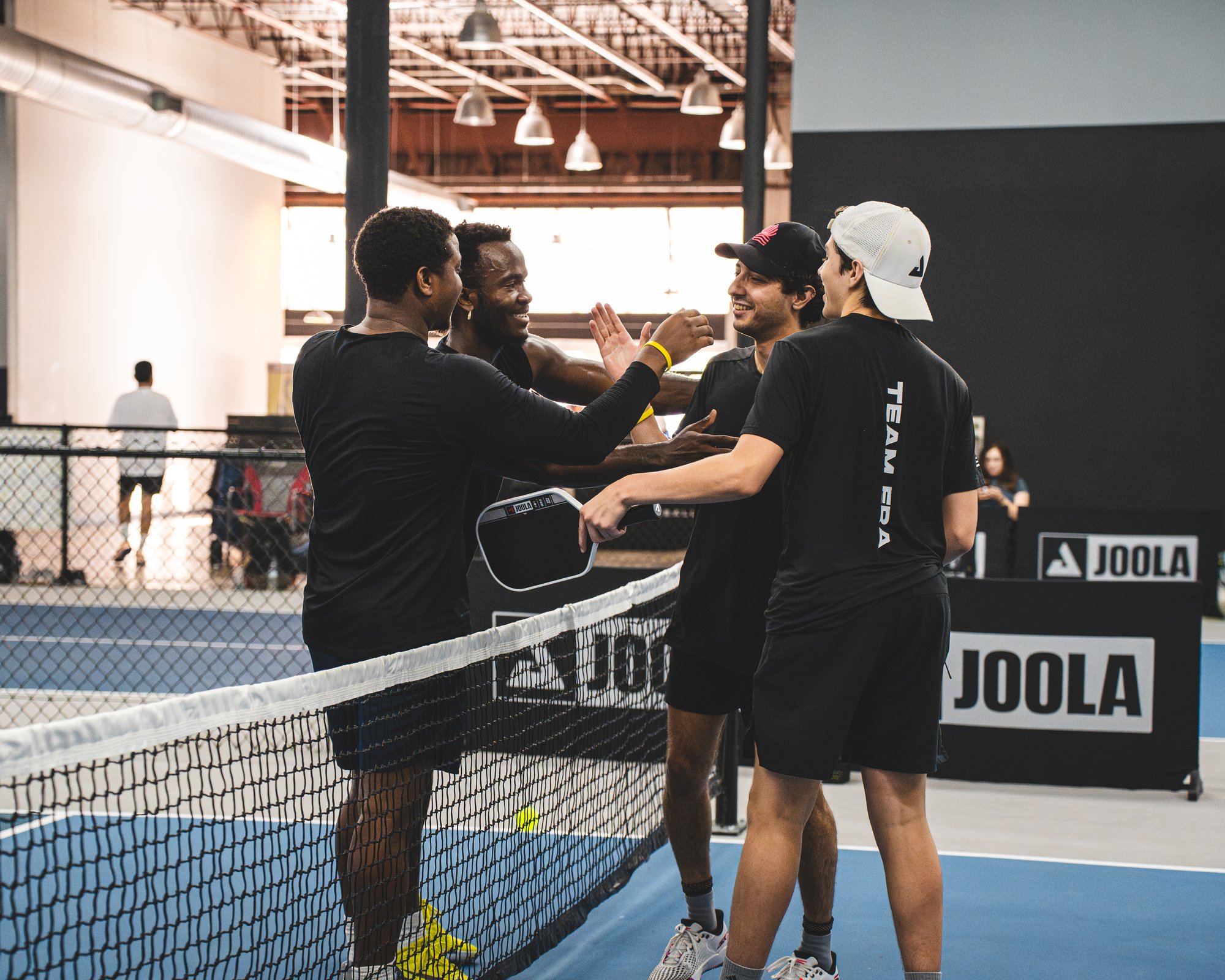
The moment you arrive at Era Pickleball’s court spaces, you feel something that comes with experience and care. The check-in desk is viewed as the first interaction with the park’s culture. You’re greeted by a staff member who can advise on court availability, surface condition, and the optimal timing for your group’s needs. The rental desk isn’t a bottleneck; it’s a staging area where you confirm your reservation details, collect any required waivers, and receive a quick briefing on safety, floor etiquette, and equipment options. It’s not unusual to see a parent coordinating a child’s first walk-through of the facility while an adult scales up into a practice drill. The pace is patient without dragging, which is exactly what you want when you’re balancing time, focus, and the unpredictable quirks of a busy weekend.
Once you’re on court, the experience is defined by the details. The surface is a modern, medium-pastel tone designed to reduce glare while providing reliable grip. The lines are crisp, and there’s enough bounce to keep the rally lively without wearing out the arm on long drills. If you’ve taken to the sport because of the social aspect, you’ll notice the bench layout encourages interaction. Coaches or captains can coordinate rotating practice, and the open play lanes keep you from feeling boxed into a single drill or partner scenario. The lighting is bright enough to support precise returns but not so intense that you’re forced to squint during a late afternoon match. It’s the kind of thoughtful implementation that makes a rental feel like a curated experience rather than a random block of time you paid for.
The rental process at Era Pickleball often integrates a few core components that work in tandem to produce a smooth day:
- Timed court slots that fit standard block lengths, with quick options for extensions if no other groups are booked.
- An equipment model that provides paddles, balls, and other essentials on demand, avoiding the need to bring a large bag of gear from home.
- On-court staff or volunteers who can assist with rules clarification, warm-up structure, and safety reminders.
The result is an environment where a player who is new to the sport can learn the basics quickly without feeling overwhelmed, while a more advanced player can push for longer rallies or targeted workouts without fighting for court time.
A practical look at pricing, availability, and policy
Pricing for court rental is a balancing act. The aim is to maintain accessibility for casual players while ensuring the facility can sustain top-tier upkeep, coaching, and facility improvements. Era Pickleball typically structures pricing around per-hour rates, with slight variations depending on peak times, weekdays versus weekends, and whether you’re reserving a single court or booking multiple courts for a larger event. You’ll often find value in midweek slots or in early morning windows, when demand is lower but the courts are in pristine condition and ready for a focused session.
For players planning a short session, the hourly rate is straightforward. If you’re organizing a mini-tournament, you’ll encounter package options or multi-court rates that reduce per-court costs as you scale the number of courts in use. Families or student groups frequently benefit from family-friendly pricing windows, especially on weekends when a couple of hours of play can be woven into a broader day of activities. It’s worth noting that the best value often comes from booking in advance and locking in a clear start and end time. Walk-in play remains possible, but it’s more susceptible to shifts in availability, which can affect your overall schedule if you’re coordinating multiple players with limited windows.
The policy side matters almost as much as the price tag. Clear policies around cancellation, rescheduling, and equipment use protect both the facility and the customer. If a court is unavailable due to maintenance, you’ll see the facility offering a comparable remedy, such as a different court or a time-adjusted alternative. If you’re running a team practice, you’ll want to understand how subbing players into time slots works, whether there are limits to the number of guests per reservation, and how late-night or weekend emergencies are handled. In my experience, Era Pickleball’s policies tend to be transparent and consistent, with staff who can walk you through the contingencies without making you feel like you’re negotiating a mortgage.
One practical tip for maximizing value is to plan your session around your goals. If you want to work on footwork drills, you’ll want a court with adjacent space for movement without interfering with another group. If you’re focusing on doubles strategy, you’ll appreciate a setup that allows you to rotate partners quietly and efficiently. If you’re coaching a junior group, you’ll benefit from reserving a quieter lane where supervision can be maintained without crowding the game flow. The important thing is to enter the space with a plan and communicate it clearly with the staff and any fellow players who share the court.
Facilities that make the cut for serious players
Where Era Pickleball earns solid marks is in the attention to the details that actual players notice. The courts themselves are well maintained; this isn’t a place where you discover a loose net or rough edge that interrupts a rally. The seating areas are laid out to encourage social interaction, but not at the expense of on-court focus. A lounge with drinks and snacks is a nice touch for families, while a dedicated coaching area can become a hub for clinics or evening drills. The staff is often multilingual, which matters in communities with diverse players who bring different perspectives to the sport. A well-run facility doesn’t rely solely on good courts; it builds a service ecosystem around those courts, and Era Pickleball has done that with practical sophistication.
When you walk through the door, you’ll notice a few small touches that signal a mature approach to sport facility management. Floor plans are designed to minimize cross-traffic between play areas, reducing the risk of collisions and interruptions during a competitive rally. The equipment is modern but not precious, quick to swap in and out as needed, which helps keep the energy moving during a busy evening when a dozen players drift in for back-to-back games. The restrooms and changing areas are clean and accessible, with clear signage and a simple layout that makes it easy to find your way back to the court after a break. It’s the accumulation of these touches that differentiates a good rental experience from a forgettable one.
An informal creed that guides Era Pickleball is simple: make it easy for players to arrive, play, and leave with a sense of accomplishment. That ethos translates into tangible decisions, from the way the check-in desk operates to the way the whiteboard next to the courts is used to post last-minute court changes, or weather-related notices when an outdoor court needs to be reallocated. The effect is a facility that feels predictable in a good way—the kind that reduces anxiety around scheduling and heightens anticipation for the next session.
The coaching dimension and community thread
If you’re the kind of player who wants more than just time on the court, you’ll value Era Pickleball’s integration of coaching and community resources. The academy vibe you’ll hear about at eras like era pickleball is not a veneer; it’s a practical layer of the experience. The pickleball academy structure—whether you’re stepping into a quick clinic, a weekly drill, or a longer program—exists to accelerate improvement while keeping the activity approachable and fun. The central idea is to have a pipeline that begins with fundamentals and gradually scales into higher-level strategies, whether you’re playing singles or doubles, a fast pace drill or a slow controlled rally.
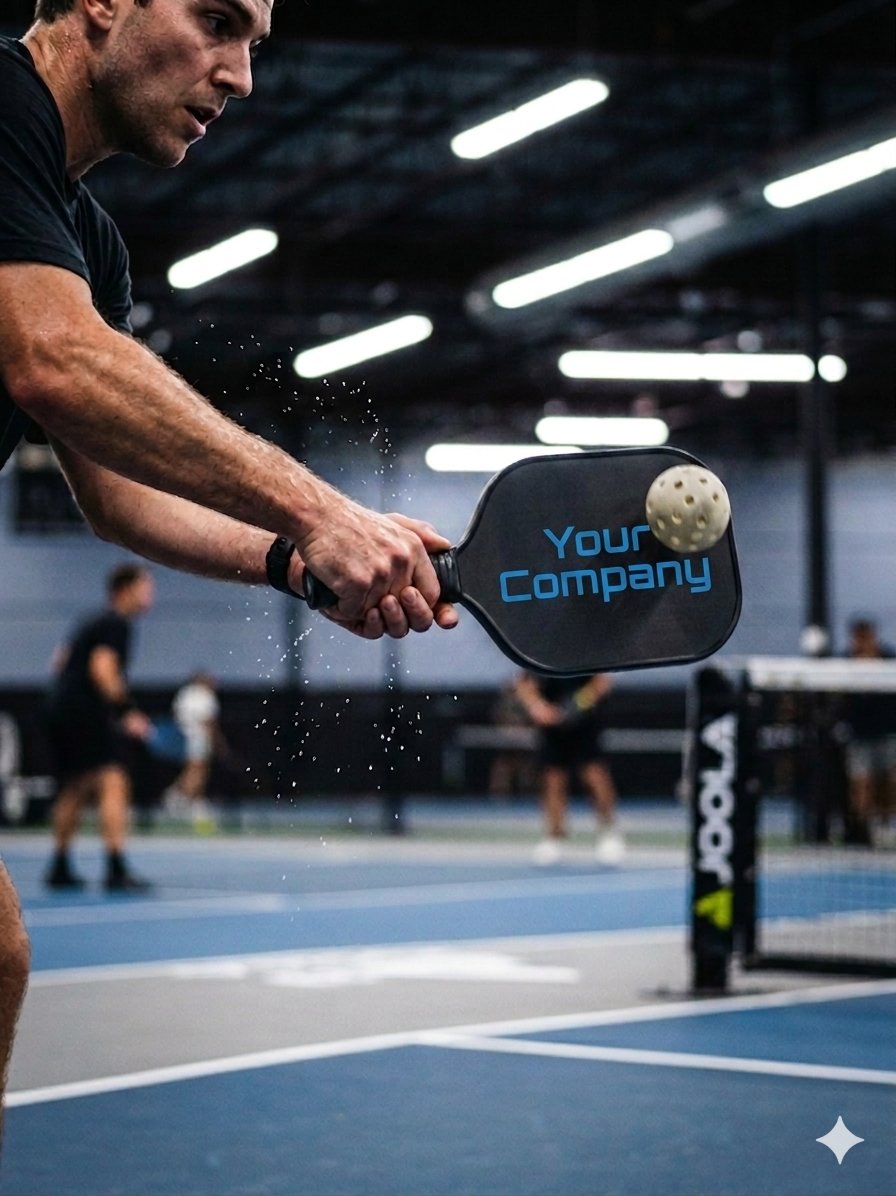
From my perspective, the real distinguishing feature is not the number of youth clinics or weekend leagues, though those are important. It’s how the facility leverages court rental as a catalyst for growth. When a family books a session, they often end up staying longer because the space is welcoming, the staff are approachable, and the on-court coaching options are clearly presented. That creates a virtuous cycle: players improve, which makes their sessions more productive, which in turn increases the era pickleball likelihood of longer-term commitments to clinics or a regular practice schedule. It’s the kind of ecosystem that grows a sport population rather than just a transient crowd of hourly customers.
What to expect when you’re new to Era Pickleball
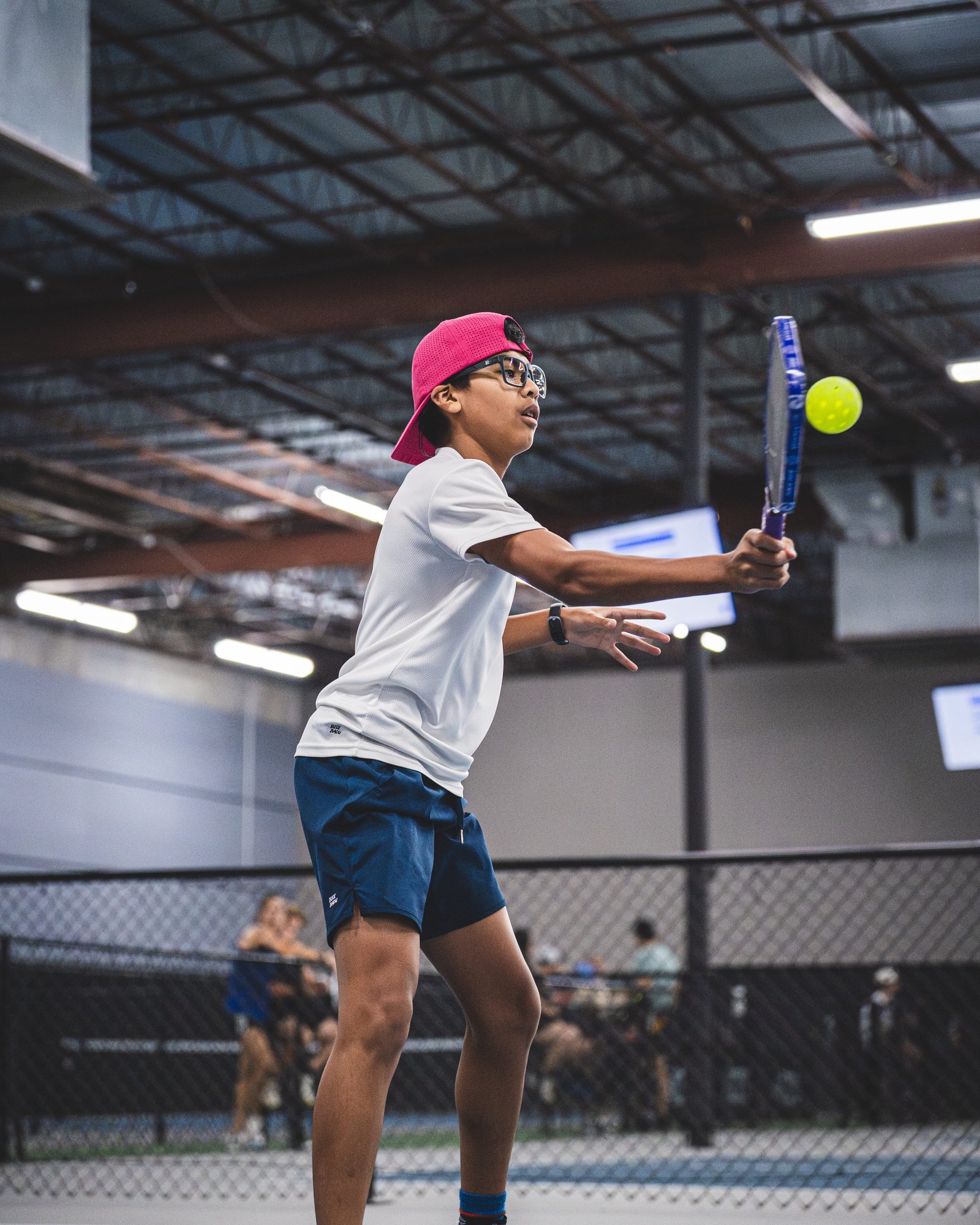
If you’re walking in with a beginner mindset, you’ll notice a few practical realities that help a first visit feel less like a performance review and more like a guided tour. The court surface is friendly to new players who are still learning how to move efficiently. The lines on the floor are clearly marked, making it easier to call shots and learn the geometry of the court quickly. If you’ve never played a sport with paddles before, the staff can show you how to grip the paddle, how to prepare for a shot, and what a good warm-up looks like. The goal is to demystify the sport enough so that someone can show up without prior experience and still leave with a sense of progress.
For those who are anxious about equipment, Era Pickleball keeps gear accessible and well maintained. You’ll typically find a selection of paddles suited to different skill levels, with a few high-performance models reserved for more aggressive players. Balls are standard-issue, and the staff maintains a quick rotation so you’re not dealing with flat or deformed balls in the middle of a match. You can expect a basic tutorial—either from a staff member or a more experienced player—to cover ball height, positioning, and the correct method for serving and returning. The aim is practical, immediate improvement rather than theoretical talk.
The culture of etiquette that you’ll encounter
Etiquette matters as much as technique in pickleball, and Era Pickleball does a solid job of codifying expectations without turning play into a rigidity exercise. You’ll hear reminders about line calls, about taking turns, and about stepping off the court when an injury occurs. There’s a respectful atmosphere that rewards quiet focus and constructive feedback. It’s not about policing every minute detail; it’s about sustaining an environment where players can learn, compete, and have fun without stepping on each other’s toes. If you’re running a clinic or a team practice, those norms help the day flow smoothly, with fewer interruptions and a more consistent pace for everyone involved.
Likewise, the social texture matters. After a competitive session, players often gather to share tips or watch a few rally clips, and there’s a natural camaraderie that emerges when people have spent a few hours together at an era pickleball court. The space supports community-building in a way that pure competition venues rarely achieve. If you’re hoping to expand your network within the sport or introduce a friend to pickleball, this is a place where you can do that without feeling that you’re intruding on a private club.
Two practical examples that illustrate value and limitations
Example one: a middle-school team comes for an after-school practice. They book two courts for two hours, a typical schedule for a combined drill session and match play. The coach uses one court for a warm-up, footwork drills, and some rapid-fire dink exchanges, while the second court hosts a rotating set of doubles games. The staff ensures there are enough paddles and a steady flow of balls so the session never slows down. At the end of practice, the team sticks around for a quick debrief, using the courts’ perimeter space to talk through strategy and a few clean shot lessons. The rental model here is efficient, compatible with school schedules, and capable of supporting a program that’s just starting to grow beyond casual play.
Example two: a birthday party with a handful of beginners and a few more advanced players. The host reserves a court block for a two-hour session and requests an instructor, which Era Pickleball accommodates. The instructor runs a structured starter lesson for the newcomers, then transitions to supervised games where everyone can try out the learning from the earlier drills. The more experienced players rotate through a series of doubles formats, which keeps the energy high and ensures that different players get the most out of the time. By the end, everyone has had a taste of both the fundamentals and a few tactical ideas that will keep them engaged on subsequent visits.
Potential limits and how to navigate them
No system is perfect, and the best venues acknowledge that openly. In the context of court rental, there are a few realities worth noting when evaluating Era Pickleball or any similar facility. Availability can be sensitive to seasonal demand, tournaments, and private events. If you’re hoping for a last-minute session on a Friday evening, you may find the schedule tight, which means you’ll want to plan ahead. If you’re a casual player who prefers walk-in play, you should have a backup plan or a flexible schedule. The upside is that the best times can be specifically curated to deliver a peak experience—calibrated court conditions, optimal lighting, and staff readiness—to maximize your practice time.
Another practical constraint is space for spectators. If you’re bringing younger players or a group that includes parents who want to watch, you’ll appreciate clear sightlines that don’t compromise the flow of play. Efficient venues balance this by providing legitimate seating without creating bottlenecks near the courts. If you’re a coach or a program director, you’ll want to confirm seating arrangements, accessibility, and safety considerations before you finalize plans. It’s not about creating a fortress of rules; it’s about ensuring a smooth, predictable environment where everyone understands the boundaries and you can focus on the sport.
An evolving ecosystem built around play
Era Pickleball is not a one-off facility. It sits within a broader ecosystem that includes the online presence of a pickleball academy, the opportunities to book a court rental through era pickleball, and the potential for ongoing programming that nurtures long-term participation. The online footprint, such as erapickleball.com, acts as a hub for players seeking information about clinics, coaching options, and scheduling. The digital experience matters because it reduces friction; if a player can see upcoming clinics, reserve a court, and contact a coach in one place, they’re more likely to return. The fact that the facility maintains a strong online identity signals a commitment to a sustainable, accessible model that aligns with the way modern players organize their sport.
From the vantage point of a seasoned observer, the most compelling feature of Era Pickleball is its blend of hospitality, structure, and performance focus. You get a facility that supports both casual play and serious practice, which is essential for a sport that has both a social and a competitive dimension. The rental model is the backbone, but the surrounding services—coaching, clinics, and community events—turn a simple court rental into a developmental pathway. For a district looking to grow its pickleball footprint, the Era Pickleball approach demonstrates how a facility can scale capability without sacrificing the human touch that makes play enjoyable.
Practical guidance for players and organizers
If you want to maximize your experience with Era Pickleball pickleball court rental, here are a few grounded recommendations drawn from real-world usage:
- Book in advance when possible, especially for weekends or evenings. The courts sustain consistent quality and you’ll minimize last-minute stress.
- Plan a warm-up routine. Even a short 7 to 10 minute sequence focusing on footwork and stroke shape can boost performance and reduce the risk of injury.
- Bring a small reflective notebook or use a notes app to track what you worked on each visit. It can be surprising how quickly small adjustments compound into real improvement.
- Consider booking a coaching add-on for a few sessions if you’re new to the sport. A coach can shorten the learning curve and help you avoid bad habits that become hard to break later.
- Use the facility’s equipment inventory as a resource. If you’re deciding on a paddle, ask staff for quick comparisons based on weight, grip size, and play style to avoid trial-and-error noise.
- If you’re coordinating a team practice, draft a simple agenda and share it with staff ahead of time. A clear plan reduces downtime between activities and keeps the session cohesive.
- Bring water, easily accessible clothing layers, and a light snack for longer sessions. Hydration and energy management matter more than you might expect as rallies lengthen.
What this model teaches about the sport’s future
As pickleball grows from a regional hobby into a national, even global, pastime, what you see at Era Pickleball provides a blueprint for the sports ecosystem itself. A court rental operation that integrates coaching, clinics, and a robust online presence has a better chance of sustaining a vibrant playing calendar. It also lowers the barriers to entry for new players, which is essential for growth. The market rewards facilities that can demonstrate reliability, practical value, and a sense of community. If you’re a city planner or a local entrepreneur exploring spaces for recreation, the Era Pickleball model offers a tangible example of how to create a sustainable, inclusive, and high-performing sporting venue.
In communities where families look for weekend activities that offer both physical engagement and social connection, venues like Era Pickleball can become anchors. They attract people who want immediate access to a sport that rewards repetition and discipline while still leaving room for playful interaction. The court rental framework supports this by making the logistics predictable and transparent, and the academy layer helps players convert that play into progress. The result is not merely a place to hit a ball but a space where people can measure growth, build confidence, and enjoy the simple pleasure of a well-placed dink.
Closing thoughts and a personal reflection
I’ve watched players arrive with different ambitions—some chasing a tournament-ready technique, others seeking a casual afternoon with friends—yet everyone leaves with a shared sense of having moved forward by a small, identifiable margin. That is the quiet magic of Era Pickleball’s court rental model. It isn’t flashy in the way a sport’s marketing campaign might be, but it is precise. It respects the time of players who juggle careers, families, and weekend rituals. It makes the barrier to entry feel intentionally low while inviting commitment through clear pathways for practice and coaching. In a sport that rewards repetition and intelligent play, the space is designed to help you do both.
If you are exploring options for a pickleball venue that can grow with you—whether you’re a casual player who wants to drop in for a quick session or a program leader seeking reliable courts for practice and competition—Era Pickleball offers a compelling blend of availability, quality, and supportive staff. The presence of a pickleball academy, the clarity of the pickleball court rental process, and the thoughtful design of the facilities work together to create an experience that doesn’t just facilitate sport. It nurtures it.
Notes on scale and adaptability
For operators evaluating how to scale a court rental business without sacrificing service quality, Era Pickleball provides several takeaways:
- Invest in surface integrity and lighting. The payoff is a direct improvement in player satisfaction and safety.
- Build a flexible staffing model that can respond to peak demand without creating bottlenecks. Cross-trained staff who can handle check-in, court prep, and coaching support are invaluable.
- Align online scheduling with operational realities. Real-time updates reduce frustration and improve trust with players.
- Create a programming arc that turns casual renters into participants in clinics, leagues, or camps. A well-structured pathway converts one-off visits into recurring engagement.
The space is designed to invite people to stay. That is a rare quality in any rental facility, and it is what turns a simple hour on the court into a meaningful, repeatable habit.
If you’re curious about the specifics of Era Pickleball pickleball court rental or want to explore opportunities at the pickleball academy era pickleball facilities, erapickleball.com provides a clear doorway to the next step. The combination of practical access, quality courts, and an atmosphere that respects the player’s time makes it a standout option in a growing field. For families, clubs, and individual players alike, the promise is straightforward: you can walk in, start playing, and walk away with the sense that you’ve invested in something real and lasting.
In the end, the most tangible measure of a good pickleball venue isn’t the color of the paint, the shine of the nets, or even the speed of your serve. It’s the simple, dependable rhythm you feel when you hit a few balls with a friend, catch a rally that makes you smile, and realize you can return to the court again tomorrow with a bit more confidence than today. Era Pickleball pickleball court rental is designed to deliver that rhythm—an unspectacularly effective combination of access, quality, and warmth that turns a space into a community.